
Products
We have what you are looking for
Description
Technical data
Composition
Cause of failure
Mounting
Description
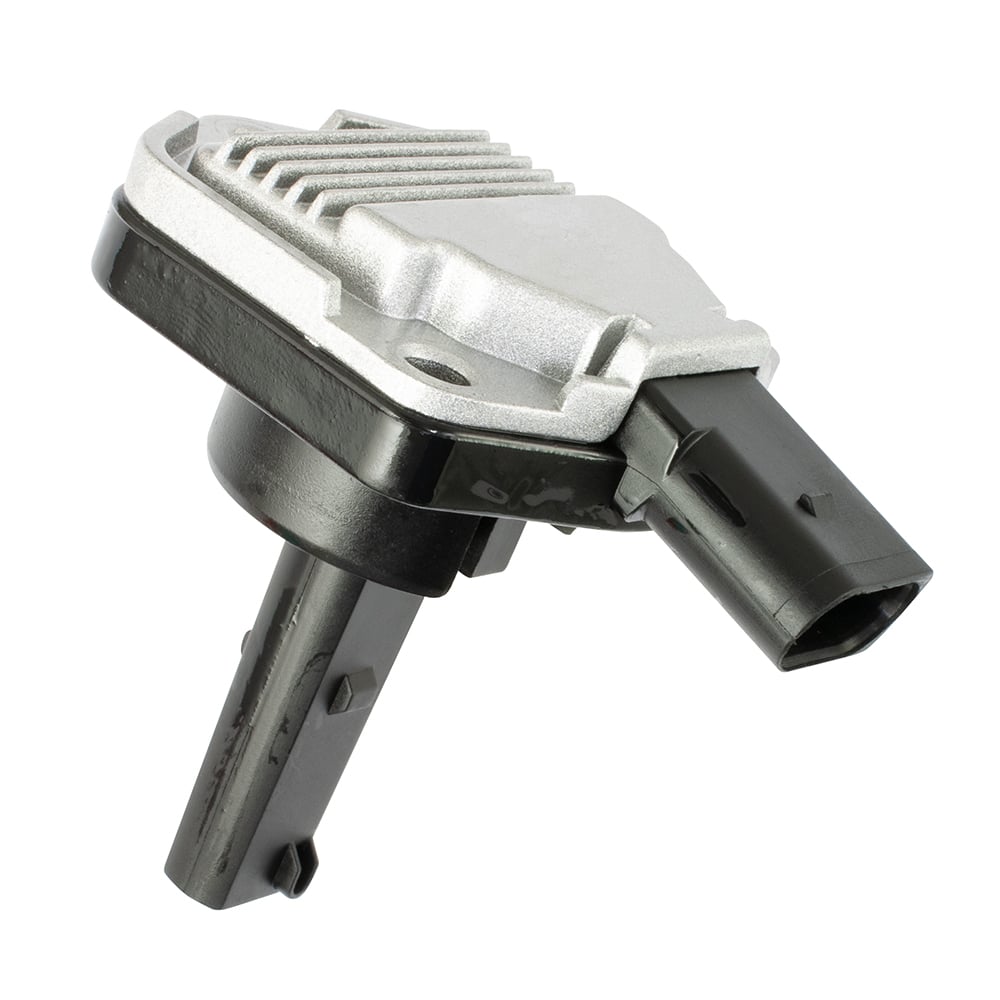
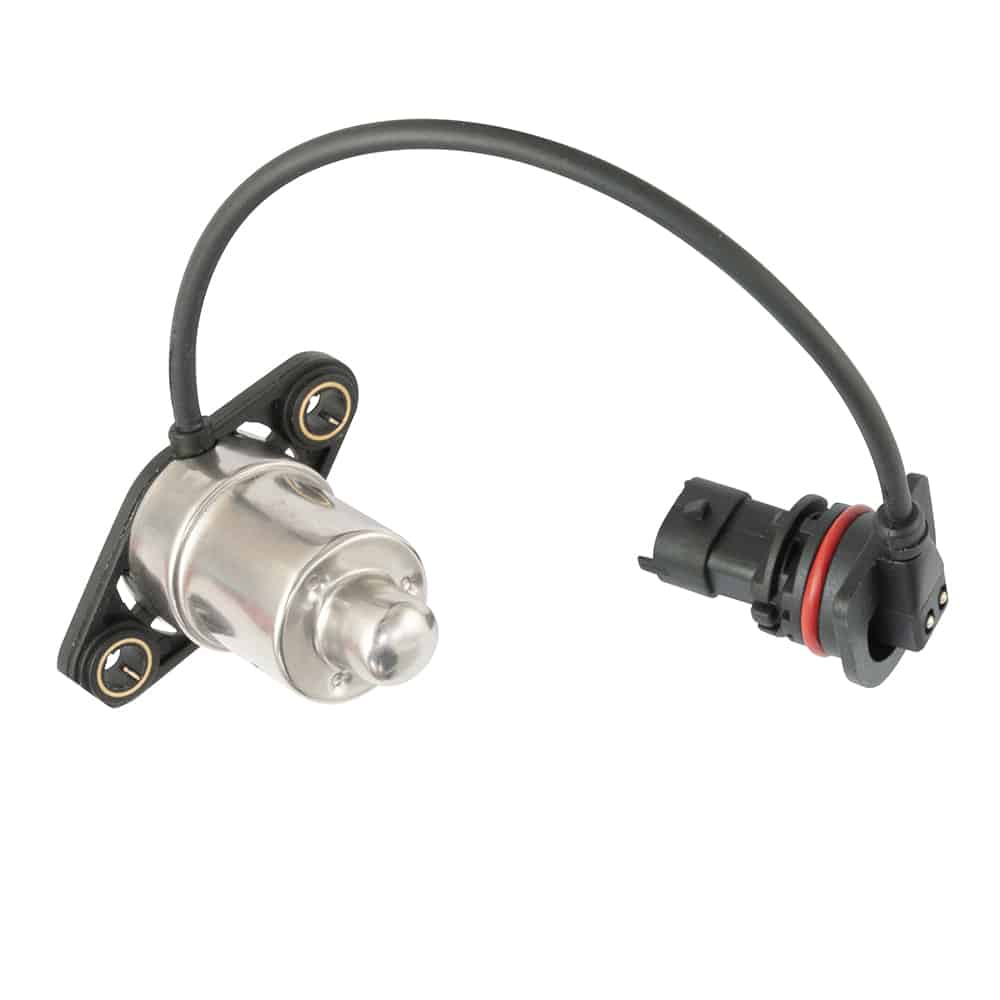
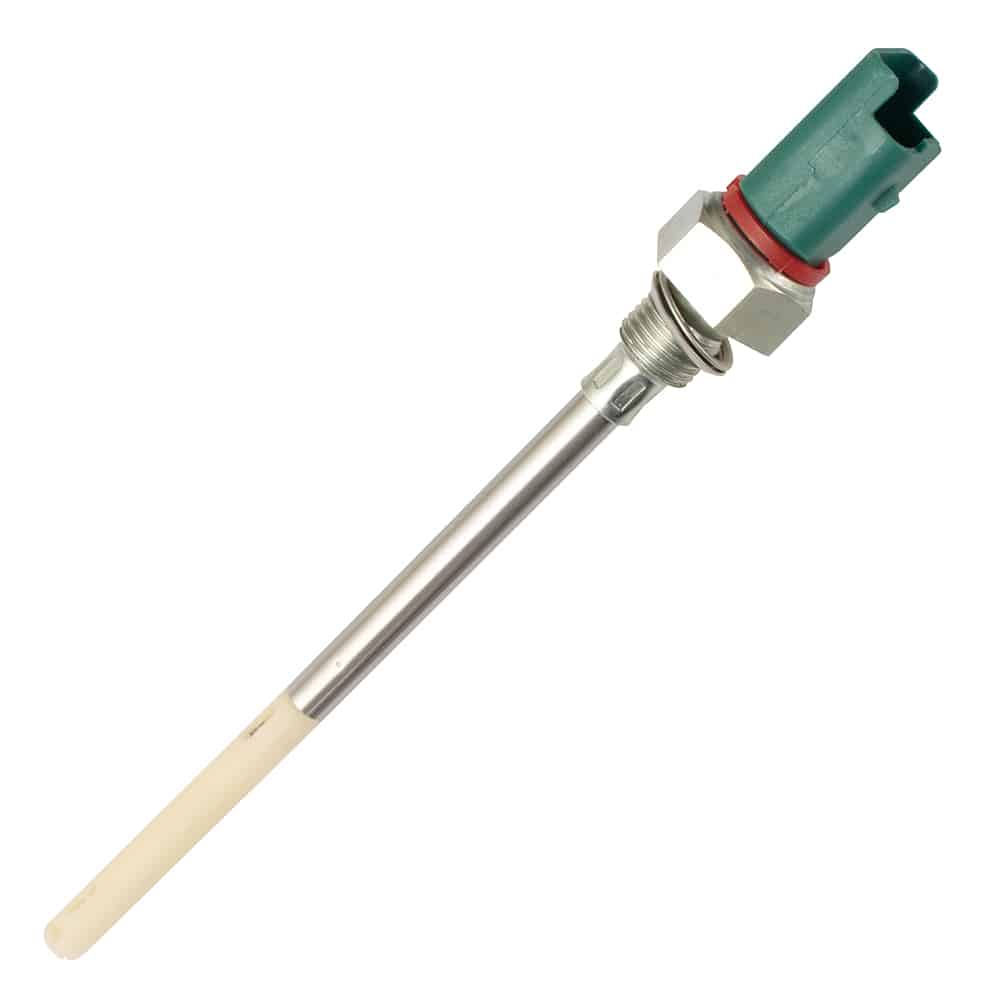
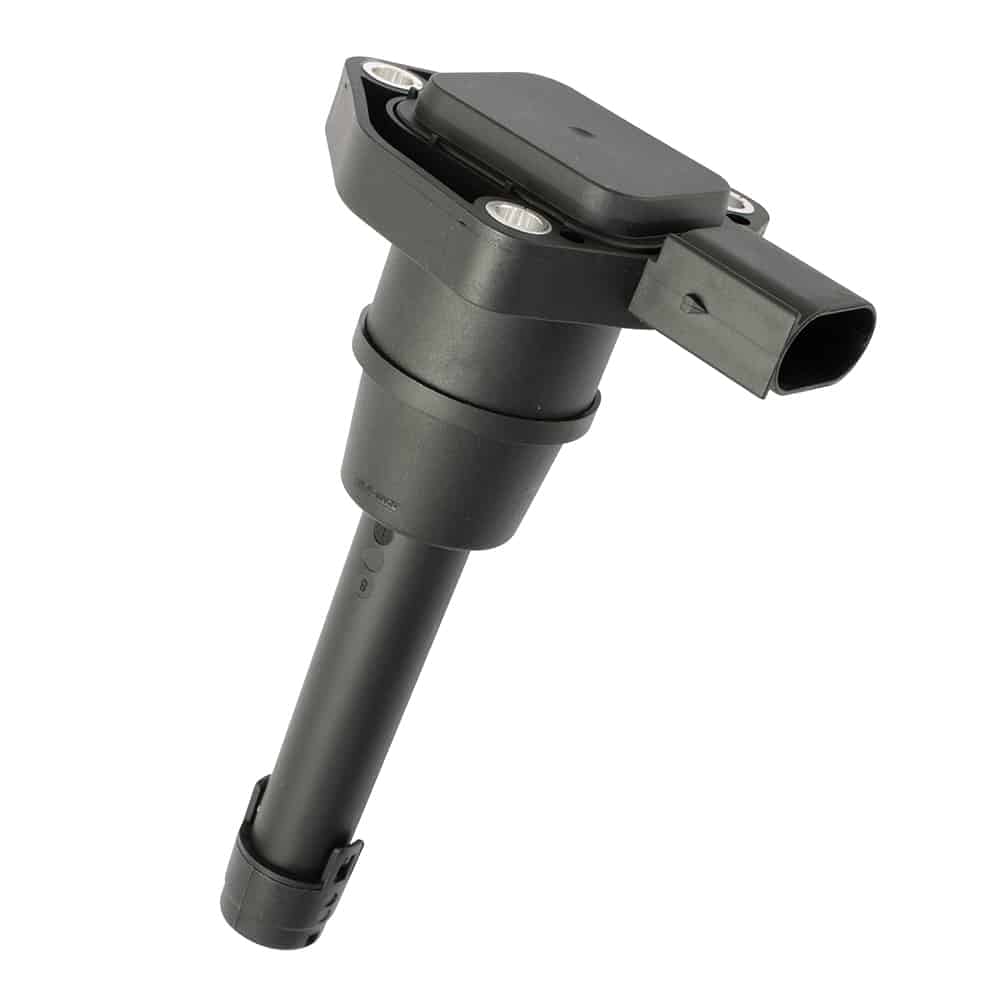
The oil level sensor is responsible for continuously monitoring the amount of lubricant present in the engine sump. Its function is to provide the Electronic Control Unit (ECU) and the instrument cluster with information about the available oil level, enabling abnormal drops to be detected before they can compromise engine lubrication.
Depending on the technology used, measurement can be carried out using thermal, magnetic, capacitive or ultrasonic systems. Thanks to this information, the vehicle can alert the driver when an oil top-up is required, helping to prevent failures, reduce wear on internal components and ensure a longer engine service life.
Types of oil level sensors
Vehicles mainly use four technologies to monitor the oil level in the sump:
- Thermal sensor (Dynamic or Thermal)
Uses an electrically heated resistive element. The oil dissipates heat at different rates depending on the oil level, allowing the quantity of lubricant present to be calculated. In many cases, it also incorporates oil temperature measurement.
- Magnetic float sensor (Electro-Mechanical)
Uses a float containing an internal magnet that moves according to the oil level. When the level drops, the magnet activates an electrical contact (reed switch) which triggers the corresponding warning signal.
- Capacitive sensor
Operates as an electrical capacitor in which the oil acts as the dielectric material. Variations in oil level modify the system capacitance and, consequently, the output electrical signal.
- Ultrasonic sensor
Emits ultrasonic waves from the base of the sump towards the oil surface. The system calculates the level by measuring the time taken for the signal to be reflected between the oil and the air.
Technical data
Composition
Cause of failure
Oil Level Sensor Failure: Causes, Symptoms and Consequences
The sensor may stop functioning correctly due to ageing of its components, the accumulation of residues or sludge in the lubricant, the ingress of moisture or contaminants, or failures within the internal electronics. Problems related to wiring, connectors and electrical connections are also common, particularly in vehicles operating under demanding conditions. Similarly, damage to the housing or the sensing element itself may affect measurement accuracy.
Main Symptoms of Failure
The most common signs of a faulty sensor are:
- Illumination of the oil level or oil warning light on the instrument cluster
- Intermittent or incorrect low oil level warnings
- The warning remains active even after the oil level has been corrected
- No oil level reading on vehicles equipped with a digital display
- Storage of Diagnostic Trouble Codes (DTCs) related to the sensor or lubrication system
What Happens if the Sensor Fails?
When the sensor provides incorrect information or stops transmitting data, the vehicle may generate false warnings or, conversely, fail to warn of a genuine drop in oil level. This can prevent timely intervention and compromise proper engine lubrication.
Although the failure does not usually affect the vehicle’s immediate operation, driving with an insufficient oil level without receiving any warning may accelerate wear on critical components such as bearings, pistons, the camshaft or the turbocharger. For this reason, whenever a fault is suspected, it is advisable to manually check the oil level and carry out a system diagnosis as soon as possible.
Mounting
Associated documentation
No data was found
DO YOU WANT MORE INFORMATION?